Hotel Marketing Trends to Watch in 2026
From AI-powered personalization to VR experiences and eco-friendly digital strategies, discover the hospitality marketing trends defining success in 2026.
Read More
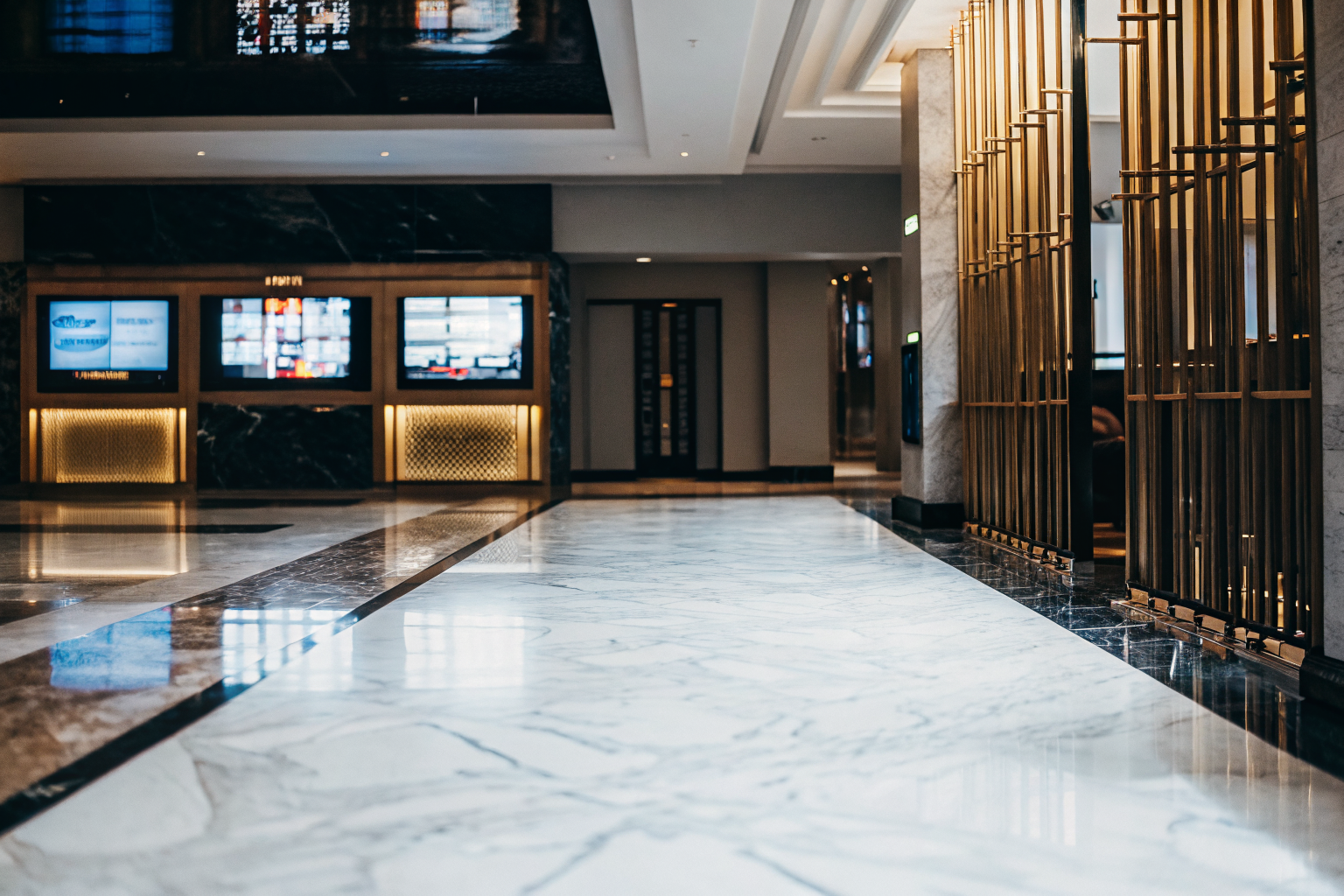
Digital marketing has become a cornerstone for building connections and driving growth in the hospitality industry. Guests increasingly research and book through online channels, making it essential for properties to understand — and act on — the trends reshaping how travelers discover, evaluate, and choose where to stay. Here are the 10 digital hospitality marketing trends every property needs to watch.
The shift toward digital-first approaches has accelerated due to rapid technological advancement and evolving guest expectations around convenience, transparency, and personalization. Properties that adapt early gain a significant competitive edge — those that wait find themselves playing catch-up in a market that moves quickly.
Understanding these trends is not about chasing every new platform. It is about identifying which shifts genuinely change guest behavior and investing there strategically.
Data analytics now make it possible to create individually tailored experiences for every guest segment — not just high-value or returning guests. Personalized email campaigns based on past stay history, customized loyalty program rewards aligned with individual preferences, and smart room features that adapt to guest profiles are all becoming standard expectations rather than premium differentiators. Properties that collect and act on guest data will consistently outperform those that send generic communications.
More than 60% of travel research now happens on smartphones, and mobile booking continues to grow year over year. Responsive website design is no longer optional — it is the minimum standard. Leading properties go further, offering mobile apps with features like digital check-in, mobile room keys, and in-app service requests. Integrated mobile payment options reduce friction in the booking process and increase conversion rates significantly.
Instagram, Facebook, and TikTok remain the primary platforms where travelers discover new properties and share their experiences. Visually-driven content — high-quality photography, short-form videos, destination reels — drives the strongest engagement. Interactive features like polls, Q&A sessions, and story-based content build community and keep your property top-of-mind between stays. User-generated content from past guests provides authentic social proof that branded content cannot replicate.
Travel and lifestyle influencers remain a highly effective channel for reaching new audiences — particularly for boutique and independent properties that lack the marketing budgets of major chains. The most effective partnerships focus on audience alignment over follower count: a micro-influencer with 15,000 highly engaged followers in your target demographic often delivers better ROI than a macro-influencer with a broad, less-targeted audience. Repurposing influencer-created content across your own marketing channels extends the value of every collaboration.
Video is the highest-engagement content format across every digital platform. High-quality property walkthrough videos, destination guides, chef or staff feature pieces, and short-form content for TikTok and Instagram Reels all perform exceptionally well for hospitality brands. User-generated video — guests sharing their experiences organically — provides authentic storytelling that professional production cannot match. Live video broadcasts for special events, seasonal offerings, and behind-the-scenes access create real-time engagement that builds audience loyalty.
Artificial intelligence is transforming guest communication in meaningful ways. AI-powered chatbots provide 24/7 customer support in multiple languages, answering common questions, processing room requests, and guiding guests through the booking process without adding to front desk workload. More sophisticated AI applications analyze guest preference patterns to surface personalized recommendations and marketing messages. Machine learning systems improve continuously, meaning properties that deploy these tools early benefit from compounding improvement over time.
Environmental responsibility has moved from a niche concern to a mainstream booking factor. Properties that showcase green certifications, locally sourced ingredients, renewable energy installations, and specific waste reduction programs attract a growing segment of eco-conscious travelers. The key is transparency and specificity — vague claims about "eco-friendly practices" carry little weight, while concrete metrics and third-party certifications build genuine credibility. Digital storytelling through blog content, social media, and email campaigns is the most effective way to communicate your sustainability story.
Immersive VR tours allow prospective guests to explore rooms, facilities, and surrounding destinations before making a booking decision. This is particularly valuable for higher-priced accommodations where guests want more confidence before committing. Event venues can use VR walkthroughs to help corporate planners, wedding organizers, and conference buyers visualize the space without an in-person site visit — dramatically expanding the geographic reach of your sales efforts.
Properties that invest in analytics infrastructure are making better decisions across marketing, pricing, staffing, and operations. Tracking which content drives bookings, which campaigns deliver the best cost-per-acquisition, and how guest behavior changes across seasons enables continuous optimization. The most competitive properties have moved beyond basic reporting to predictive analytics — using historical data to anticipate demand and adjust strategy proactively rather than reactively.
The most effective digital marketing programs do not rely on any single channel. Successful hospitality brands build integrated strategies where SEO, paid advertising, email, social media, and content marketing work together — each reinforcing the others. A traveler might discover your property through an Instagram post, research it via Google, receive a retargeting ad, subscribe to your email list, and ultimately book directly after receiving a personalized offer. Each touchpoint matters, and each should be optimized as part of a cohesive strategy.
The hospitality marketing landscape will continue to evolve as new technologies emerge and traveler expectations shift. Success requires more than awareness of these trends — it demands the organizational agility to test, measure, and adapt based on what is actually driving results for your specific property and market.
Invest in data collection and analysis so your marketing speaks directly to what modern travelers actually value — not what you assume they want.
Build relationships across email, social, and direct channels so your property stays visible throughout the entire guest journey from inspiration to post-stay.
Track the metrics that matter — direct bookings, cost per acquisition, email conversion rates — and let data guide where you invest next.
Consumer behavior and technology evolve continuously. Properties that build flexibility into their marketing programs outperform those locked into rigid strategies.
Digital marketing is no longer a supporting function in hospitality — it is a primary driver of revenue, guest relationships, and competitive positioning. The 10 trends covered here represent the most significant shifts happening right now, and each offers a clear opportunity for properties willing to act with intention and consistency.
The properties that will lead the market over the next few years are those investing in personalization, technology, and authentic digital storytelling today. Start with the trends most aligned with your current guest profile, measure your results, and build from there.
Let's build a forward-looking digital marketing strategy tailored to your property.