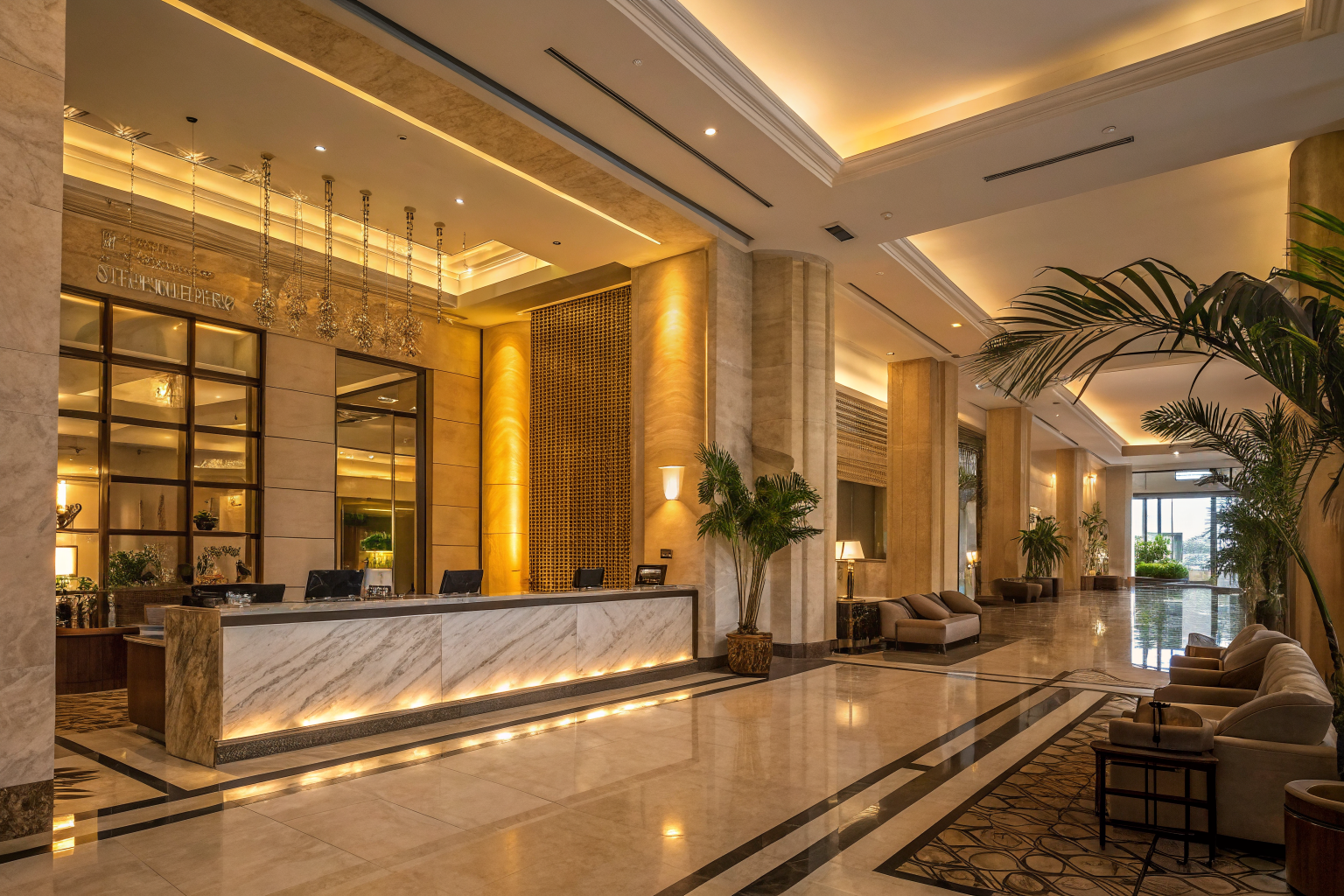
The hospitality industry has undergone a fundamental transformation. Travelers no longer flip through travel brochures or call a reservation line — they open a browser, compare properties on Instagram, read reviews on TripAdvisor, and book directly from a smartphone. In this landscape, digital marketing is no longer a support function for hotel marketing. It is hotel marketing.
For hotels that understand this shift, digital marketing is the engine behind occupancy growth, brand recognition, and long-term profitability. For those that don't, it's the reason competitors consistently outperform them — not because of better rooms or lower rates, but because of better visibility and smarter guest communication.
Why Digital Marketing Is the Foundation of Modern Hotel Marketing
Before a guest ever steps into your lobby, their entire journey happens online. Research indicates that the average traveler visits more than 20 websites before making a booking decision. Every touchpoint in that journey — a Google search result, a social media post, a review response, a retargeting ad — is an opportunity to earn or lose that booking.
- Hotels with strong digital visibility consistently capture bookings that invisible competitors miss entirely
- Digital channels generate measurable data — you can track exactly which campaigns produce revenue
- A well-executed digital strategy reduces reliance on OTAs and their 15–25% commission fees
- Consistent digital presence builds brand equity that compounds into repeat bookings and referrals
- Digital marketing allows precise audience targeting — reaching the right traveler at the right moment
The Core Digital Marketing Channels for Hotels
Effective hotel digital marketing is not a single tactic — it's a coordinated system of channels that work together to reach guests at every stage of the booking journey.
Search Engine Optimization (SEO)
SEO ensures your hotel appears when travelers search for properties like yours. Location-specific keywords ("luxury hotel in [city]," "family resort near [attraction]") capture high-intent searches from guests actively looking to book. Unlike paid advertising, SEO delivers compounding returns — each piece of optimized content continues to attract guests long after it's published, without ongoing ad spend.
Social Media Marketing
Instagram, Facebook, and TikTok have become primary discovery channels for travelers. Properties that use these platforms to share professional photography, guest experiences, local highlights, and behind-the-scenes content build emotional connections with prospective guests before they ever visit. User-generated content — guest photos and stories — is particularly powerful because it carries the authenticity that brand-created content can't replicate.
Paid Digital Advertising
Pay-per-click campaigns on Google place your property at the top of search results at the exact moment a traveler is ready to book. Meta advertising on Facebook and Instagram lets you target specific demographics, interests, and behaviors. Combined with retargeting — which reconnects with users who visited your site but didn't book — paid advertising captures the highest-intent audience in your market.
Email Marketing
Your email list is the most valuable asset in your digital marketing toolkit. Past guests have already experienced your property — they're your warmest audience. Targeted email campaigns featuring seasonal promotions, loyalty rewards, and personalized offers consistently generate the highest ROI of any digital channel, often delivering $36 in revenue for every $1 invested.
Content Marketing
Blogs, destination guides, and video content serve a dual purpose: they improve search engine rankings and they build trust with prospective guests. A well-maintained hotel blog that answers common traveler questions ("best restaurants near our hotel," "what to do in [city] in winter") attracts organic traffic while showcasing your property's personality and local expertise.

Data-driven decision making is at the heart of modern hotel digital marketing strategy.
How Digital Marketing Drives Direct Bookings
Every hotel's ultimate goal is filling rooms at the best possible rate. Digital marketing directly impacts this through multiple mechanisms:
Reducing OTA Dependency
Direct booking campaigns with exclusive perks — best rate guarantees, complimentary upgrades, early check-in — incentivize guests to bypass OTAs and book directly through your website.
Recovering Abandoned Bookings
Retargeting ads and automated email sequences reach guests who started a booking but didn't complete it — often your highest-converting audience segment.
Reaching High-Intent Audiences
PPC campaigns target travelers at the exact moment they're searching — capturing demand that would otherwise go to competitors or OTA listings.
Building Repeat Business
Email marketing and loyalty-focused social content keep your property top of mind for past guests, driving the repeat bookings that are cheapest to acquire.
The Role of Reputation Management in Hotel Digital Marketing
No digital marketing strategy is complete without active reputation management. Online reviews on TripAdvisor, Google, and Booking.com are among the strongest purchase signals in the hospitality industry — 93% of travelers say reviews influence their booking decisions.
- Actively request reviews from satisfied guests immediately after their stay — the best time to capture positive sentiment
- Respond professionally to every review, both positive and negative — your response is as much a marketing tool as the review itself
- Use review insights to identify operational improvements that prevent recurring complaints from appearing online
- Highlight positive reviews and awards across your website and social channels to build social proof

Compelling visual storytelling through digital channels transforms how travelers discover and choose properties.
Measuring Digital Marketing Success in Hospitality
One of digital marketing's most powerful advantages over traditional hotel marketing is accountability. Every channel produces measurable data that tells you precisely what's working. The metrics that matter most for hotels:
- Direct Booking Rate: The percentage of total bookings that come directly through your website versus OTAs — the clearest indicator of your digital marketing ROI.
- Cost Per Acquisition (CPA): What you spend in marketing to generate one confirmed reservation. Lower CPA means higher profitability per booking.
- Revenue Per Available Room (RevPAR): The ultimate business metric — tracks whether your marketing investments are translating into real revenue growth.
- Website Conversion Rate: The percentage of site visitors who complete a booking — tells you whether your website is effectively converting the traffic your campaigns generate.
- Social Engagement & Reach: Measures how effectively your content builds brand awareness and audience relationships across platforms.
Building a Digital Marketing Strategy That Works Year-Round
The hotels that outperform their market don't treat digital marketing as a seasonal tactic — they treat it as an always-on system that supports occupancy goals through every period of the year. A robust year-round strategy includes:
- Peak season campaigns that maximize rate while demand is high — focusing on ADR over volume
- Shoulder season promotions that stimulate demand during softer periods through targeted offers and packages
- Off-peak content marketing that builds organic search visibility for when the next booking cycle begins
- Year-round email nurture sequences that keep past guests engaged and primed for return stays
- Consistent social media presence that maintains brand visibility regardless of season or occupancy levels
Why Hospitality-Specific Expertise Makes All the Difference
Hotel marketing has unique dynamics that generic digital marketing agencies often misunderstand. The booking window, the role of OTAs, seasonal demand patterns, reputation management across travel platforms, and the visual-first nature of hospitality marketing all require specialized knowledge.
Hotels that partner with digital marketing specialists who live and breathe hospitality don't just get better campaigns — they get strategies built around how travelers actually discover, research, and book properties. The result is more direct bookings, higher occupancy, and a brand that stands out in an increasingly crowded digital marketplace. Digital marketing isn't a line item in your hotel's budget — it's the infrastructure that determines whether your property thrives or just survives.
Jim McGinnis
Founder, Digital Hospitality Marketing — helping hotels maximize their brand ROI through expert digital strategies.
Ready to Elevate Your Hotel's Digital Marketing?
Let's build a tailored digital marketing strategy that drives direct bookings and grows your hotel's revenue year-round.