Hospitality Industry Marketing Insights: The Importance of Hospitality Marketing Today
Modern hospitality businesses must communicate excellence strategically. Explore the digital strategies and emerging trends shaping the industry today.
Read More
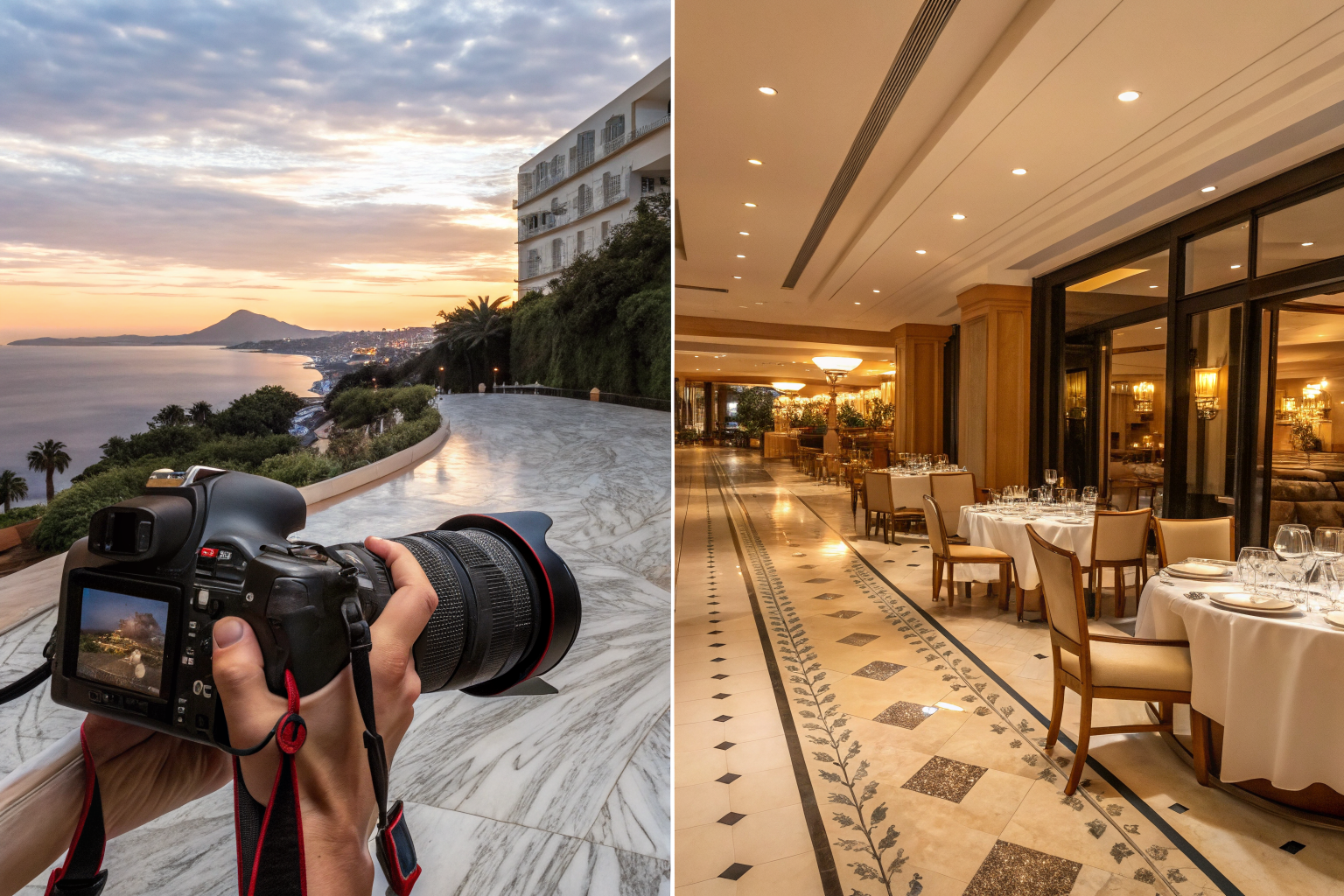
The hospitality industry is not a single market — it is five interconnected sectors, each with distinct characteristics, guest expectations, and competitive dynamics. Understanding the Hospitality Big Five — Lodging, Food & Beverage, Travel & Tourism, Entertainment, and Recreation — is the foundation for building marketing and operations strategies that create genuinely comprehensive guest experiences.
Recognizing the distinct characteristics and demands of each sector enables businesses to customize their approaches for competitive advantage — while also identifying the strategic partnership opportunities that exist across them.
Hotels, resorts, boutique properties, and short-term rentals providing comfortable accommodations and the foundation for all other hospitality experiences.
Restaurants, bars, cafes, and catering operations delivering culinary experiences that range from casual dining to fine dining.
Tour operators, destination management companies, and travel agencies creating exploration and discovery opportunities for domestic and international visitors.
Concerts, festivals, cultural events, immersive attractions, and live performances that offer enjoyment and memorable experiences.
Wellness facilities, outdoor adventure operations, sports venues, and leisure activities that promote relaxation, health, and active engagement.
Modern lodging success requires integrating technology and personalization without losing the human warmth that guests come for. Social proof — positive reviews, guest testimonials, and user-generated content — plays a critical role in building the trust that converts website visitors into bookings.
Restaurants and bars differentiate themselves through innovative menus, distinctive atmospheres, and authentic storytelling. Behind-the-scenes chef videos, local ingredient sourcing stories, and menu innovation content capture audience interest before guests even walk through the door.
Plant-based options, locally sourced ingredients, and seasonal specials attract health-conscious and sustainability-minded diners while giving marketing teams fresh story angles with every menu update.
High-quality food photography and videography are among the highest-ROI marketing investments a restaurant can make. Atmospheric venue imagery and chef-behind-the-scenes content perform strongly across social media and email campaigns.
Limited-time offers, local business collaborations, and influencer partnerships expand reach to new audiences while creating urgency and social buzz that drives traffic.
Monitoring reviews across Google, Yelp, and TripAdvisor and responding promptly — whether the feedback is positive or negative — demonstrates attentiveness and builds trust with prospective diners evaluating their options.
Visual storytelling effectively showcases cultural heritage and natural landmarks to travelers in the research and inspiration phase. Technology — including user-friendly websites, interactive maps, and virtual tours — facilitates planning and increases conversion from interest to booking.
Local business partnerships create bundled packages that add value while strengthening the destination economy. Immersive experiences that allow genuine engagement with destination culture create the lasting impressions that generate referrals and repeat visits.
The entertainment sector thrives on diversity and anticipation. Concerts, festivals, and immersive attractions reach audiences through social media — where teasers, live streams, and performer-driven content build excitement before events open to the public.
Accessibility through tiered ticket pricing, VIP packages, discounted group rates, and early-bird offers broadens appeal across demographics. User-generated content from attendees amplifies word-of-mouth reach that paid advertising cannot replicate.
Digital marketing connects recreational businesses to audiences seeking leisure through compelling visuals, authentic testimonials, and program announcements. Sustainability and wellness trends continue to shape recreational choices — eco-friendly and health-conscious activities resonate strongly with the modern traveler.
Interactive trials, free introductory sessions, and seasonal events lower the barrier to participation and generate the direct experience that converts curiosity into loyal customers. Personalization through customer feedback and data analysis strengthens long-term engagement across every recreational segment.
The most successful hospitality businesses align marketing messages directly with operational capabilities. When marketing and operations work in unison, customers experience well-planned, authentic interactions that position brands as industry leaders.
Loyalty program data and customer feedback inform both marketing strategy and operational improvements — creating a continuous improvement loop.
Marketing teams that coordinate with operations ensure promotions reflect service delivery realities — preventing the disconnect between promise and experience that erodes trust.
Partnerships across the Big Five sectors — hotels with restaurants, tourism operators with entertainment venues — create bundled value that no single sector can deliver alone.
Unified property management, marketing automation, and guest communication platforms eliminate silos and create the consistent, personalized guest journey that drives loyalty.
The Hospitality Big Five are interconnected, not isolated. Properties and operators that understand the full landscape — and build marketing and operations strategies that acknowledge those connections — consistently outperform competitors who view their sector in isolation.
Whether you operate in lodging, food & beverage, tourism, entertainment, or recreation, the principles are the same: align your marketing with your operational reality, invest in the guest experience at every touchpoint, and leverage partnerships across sectors to create the comprehensive experiences that earn loyalty and generate lasting revenue growth.
Let's build a strategy that connects every touchpoint of your guest's journey.