Crafting the Perfect Boutique Hotel Marketing Strategy
Learn how boutique and independent properties can build a marketing strategy around their unique story, guest experience, and local character.
Read More
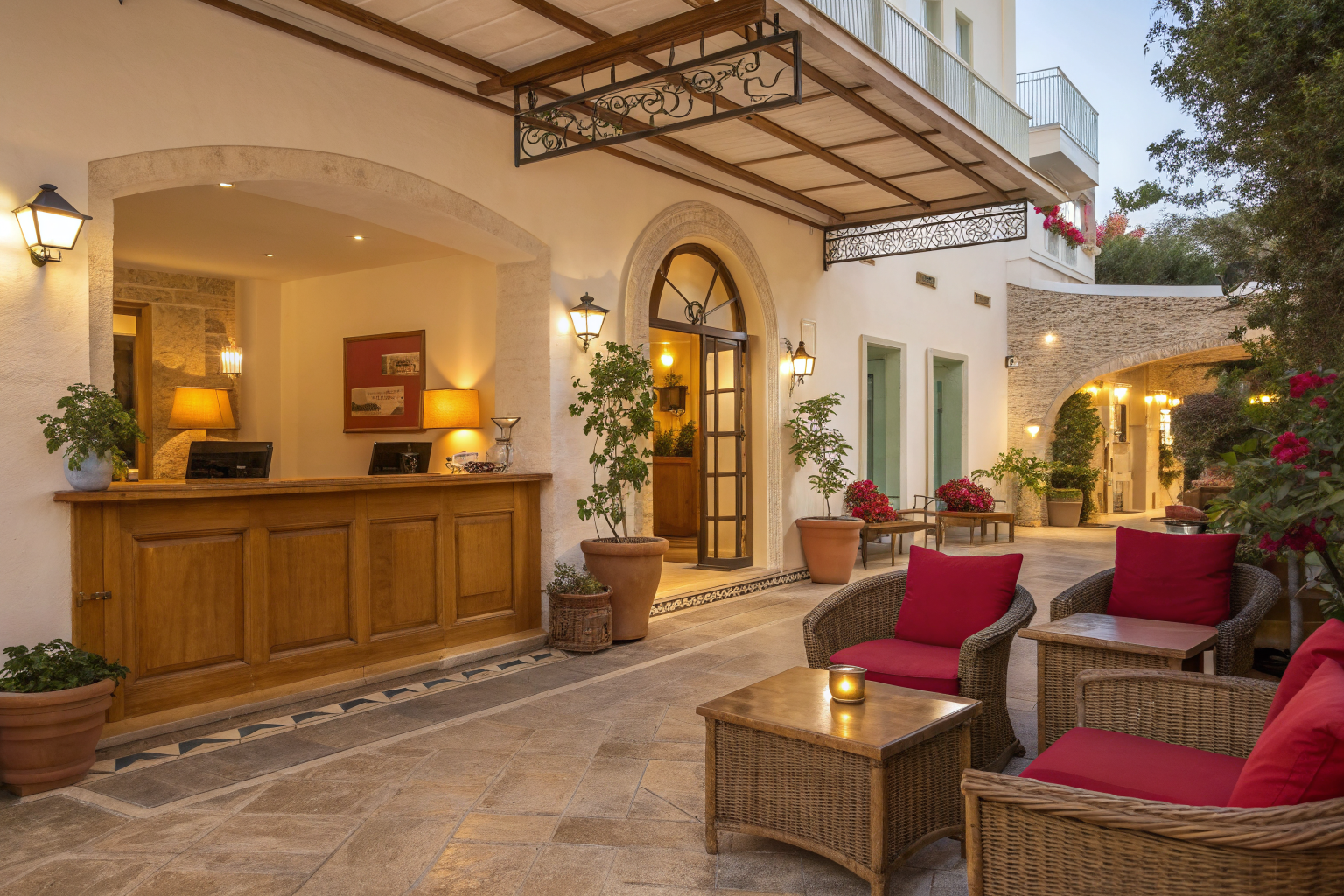
Independent hotels do not have a corporate marketing department, a national ad budget, or a rewards program with millions of members. What they do have is a story worth telling, a guest experience worth talking about, and the ability to move faster than any branded chain. The right digital marketing strategy turns those advantages into bookings — and that is exactly the gap DigitalHospitalityMarketing.com was built to close for independent properties.
Chain hotels lean on brand recognition and loyalty programs to fill rooms. Independent properties cannot compete on that ground — and should not try. Instead, an independent hotel wins by being unmistakably itself online: distinctive photography, a website that loads fast and converts, local search visibility, and a reputation guests trust more than any franchise logo. That requires a marketing partner who understands hospitality specifically, not a generalist agency splitting attention across unrelated industries.
“OTA commissions typically run 15% to 25% per booking — every reservation an independent hotel moves to its own website keeps that margin in house instead of handing it to a third party.”
A full-funnel strategy for an independent property covers every stage of the guest journey, from first search to post-stay review:
A fast, mobile-first website optimized for the searches travelers actually use, so the property shows up before someone ever reaches an OTA listing.
A booking engine, rate parity messaging, and on-site offers designed to make booking direct the obvious choice over a third-party platform.
Consistent, on-brand content across Instagram, Facebook, and TikTok that shows off what makes the property genuinely different.
24/7 review monitoring and response across Google, TripAdvisor, and booking platforms to protect the trust that independent guests rely on most.
Automated campaigns that recover abandoned bookings, nurture past guests, and turn one-time visitors into repeat bookers.
Targeted campaigns that put the property in front of high-intent travelers without wasting spend on unqualified clicks.
Most independent hotels rely on OTAs for visibility, but overreliance on third-party platforms erodes margin on every stay and hands away the guest relationship. A direct-booking-first strategy does not mean abandoning OTAs — it means building enough of a direct channel that OTAs become one option among several, instead of the default.
Clear, visible messaging that booking direct always beats or matches OTA pricing removes the guest's main reason to look elsewhere.
Ads that follow website visitors who browsed but did not book, bringing them back to complete the reservation directly.
Small, low-cost perks — a room upgrade, late checkout, a welcome amenity — reserved for guests who book directly.
Automated email and SMS sequences that re-engage guests who started but did not finish a direct booking.
Listings on Google Hotel Ads and TripAdvisor that route the click to the property's own booking engine, not a third party.
A booking flow that loads quickly, works on mobile, and looks as professional as any major chain's.
A large share of hotel searches happen close to the moment of booking, often on mobile, often with local intent. An independent property that ranks well for its city, neighborhood, and nearby landmarks captures travelers precisely when they are ready to book — before a bigger-budget competitor ever enters the picture.
Without a national brand name to lean on, an independent property’s online reviews function as its brand. Guests weigh recent reviews heavily when choosing between an independent hotel and a familiar chain, and a handful of unanswered negative reviews can outweigh dozens of quiet positive stays.
Track mentions across Google, TripAdvisor, Booking.com, and social platforms in real time, so nothing goes unanswered.
Thoughtful replies to both praise and criticism show prospective guests the property is attentive and accountable.
Automated post-stay requests turn satisfied guests into public advocates without requiring extra front-desk effort.
Regular reporting on rating trends and sentiment gives ownership a clear read on guest satisfaction over time.
Running SEO, social media, paid ads, email, and reputation management in-house is more than most independent hotel teams can take on alongside daily operations. DigitalHospitalityMarketing.com exists to be the marketing department an independent property does not have room to hire — a hospitality-specialized team of designers, copywriters, and strategists working exclusively in this industry, with no long-term contracts and measurable, transparent ROI reporting at every step.
Independent hotels do not need to tackle every pillar at once. A focused starting sequence:
Independent hotels can absolutely compete with — and often outperform — big chains online. The advantage is authenticity: a real story, a distinctive guest experience, and the flexibility to move fast. Paired with a marketing strategy built specifically for hospitality, that authenticity turns into direct bookings, stronger margins, and a reputation no franchise can copy.
DigitalHospitalityMarketing.com handles the SEO, the ads, the social content, and the reputation management, so independent hotel owners can focus on what they do best — running a great property.
Let's build a hospitality-focused marketing strategy that fits your property, your budget, and your guests.