In today's competitive landscape, the success of any hospitality business hinges on a strong online presence and a well-executed digital marketing strategy. Hotels and resorts have the opportunity to reach a wider audience and drive bookings through various online channels — but only when they deploy the right tactics with intention and precision. Understanding how to translate digital efforts into measurable return on investment is the key to sustainable growth.
Understanding Your Target Audience in the Digital Space
Every effective digital hospitality marketing strategy begins with a crystal-clear picture of who you're trying to reach. Whether your property caters to families on vacation, corporate business travelers, or romantic couples seeking a getaway, each segment has distinct motivations, browsing habits, and decision-making triggers.
Leverage analytics platforms to go beyond basic demographics. Dive into psychographics — what drives your guests emotionally, what amenities matter most, and what price points signal value to them. Advanced audience segmentation allows you to craft retargeting campaigns that speak directly to users who have already expressed interest in your property, dramatically improving conversion rates and cost-per-acquisition.
Data-driven personalization at this stage sets the foundation for every subsequent marketing touchpoint. When your messaging reflects an intimate understanding of your audience's desires, you earn attention — and ultimately, bookings.

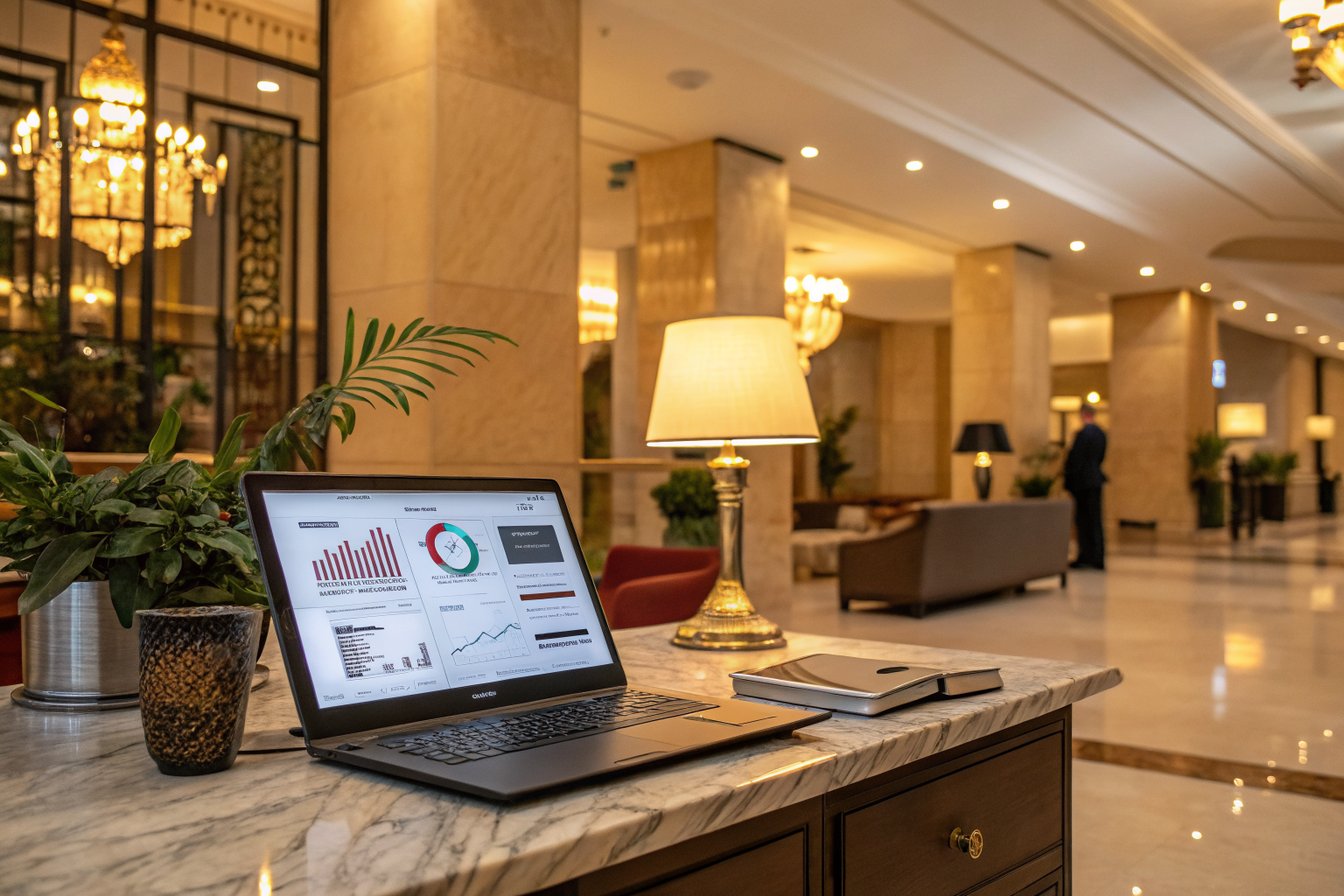
Data-driven decision making sits at the core of every high-ROI digital hospitality marketing strategy.
The Role of a Strong Online Presence
Your hotel's website is the digital front door to your property — and first impressions matter enormously. A professionally designed, fast-loading site with an intuitive booking integration can be the difference between a direct reservation and a lost guest to an OTA.
Beyond your website, social media platforms like Instagram, Facebook, and Twitter serve as powerful extensions of your brand. These channels allow you to showcase your property's atmosphere, share guest stories, promote seasonal offers, and engage in real-time conversations with potential visitors.
Your presence on OTAs and review sites — while not fully within your control — must also be actively managed. Ensuring accurate listings, up-to-date photography, and competitive rate parity across platforms protects your brand and maximizes your reach to travelers in the discovery phase.
Leveraging the Power of Content Marketing
Content marketing is one of the most cost-effective tools in a hospitality marketer's arsenal. Blog articles, destination guides, videos, and social media content help your property rank organically in search engines while positioning your brand as a trusted authority in travel and hospitality.
Storytelling about local attractions, seasonal events, and behind-the-scenes hotel experiences creates authentic connections with potential guests long before they make a booking decision. This type of content also fuels your SEO strategy, helping you capture high-intent traffic from travelers actively researching your destination.
Don't underestimate the power of user-generated content. Guest photos, check-ins, and reviews shared on social media act as organic endorsements that drive trust and reach audiences you couldn't access through paid channels alone. Actively encouraging and re-sharing this content amplifies its impact significantly.
The Impact of Online Reviews and Reputation Management
In the digital age, your hotel's reputation is built and broken in public — on platforms like TripAdvisor, Yelp, Google Reviews, and Booking.com. A single unaddressed negative review can deter dozens of potential guests, while a thoughtful response to criticism can actually build trust and demonstrate your commitment to guest satisfaction.
A proactive reputation management strategy means monitoring all major review platforms consistently, responding to both positive and negative feedback professionally, and actively soliciting post-stay reviews from satisfied guests. The volume, recency, and average score of your reviews directly influence your ranking in search results and OTA algorithms.
Treat every review as an opportunity — to learn, to improve, and to publicly demonstrate the quality of your guest experience to anyone reading those responses.
Email Marketing Strategies for Personalized Guest Experiences
Email marketing remains one of the highest-ROI channels available to hospitality marketers. When done right, it creates a direct line of communication with guests that is both personal and measurable. The key is moving beyond generic newsletters and embracing true personalization.
Segment your email lists based on booking history, stay preferences, and loyalty status. A guest who booked a spa package deserves a different follow-up than one who came for a business conference. Targeted offers, anniversary promotions, and exclusive early-access deals for returning guests dramatically improve open rates, click-throughs, and direct bookings.
Incorporating interactive elements — countdown timers for limited offers, embedded video previews, and personalized itinerary suggestions — can elevate the email experience and set your property apart in a crowded inbox.
The Future of Hospitality Marketing: Embracing Digital Innovations
The digital hospitality marketing landscape is evolving rapidly, and properties that invest in emerging technologies today will gain a decisive competitive advantage tomorrow. Virtual reality property tours allow potential guests to experience your rooms and amenities before booking — a powerful conversion tool that reduces booking hesitation.
AI-powered chatbots now handle a significant portion of pre-arrival inquiries, operating 24/7 to answer questions, recommend upgrades, and even facilitate direct bookings — all without straining your front desk team. Meanwhile, predictive personalization engines use booking data and browsing behavior to surface hyper-relevant offers at precisely the right moment in the guest journey.
The hotels and resorts that embrace these innovations — not as gimmicks, but as genuine enhancements to the guest experience — will be the ones that achieve consistent, measurable ROI from their digital marketing investments. The opportunity is significant, and the tools are available today.
Ready to Maximize Your Hotel's Digital ROI?
Our hospitality marketing specialists help hotels and resorts build data-driven strategies that turn digital presence into direct bookings and measurable revenue growth.